

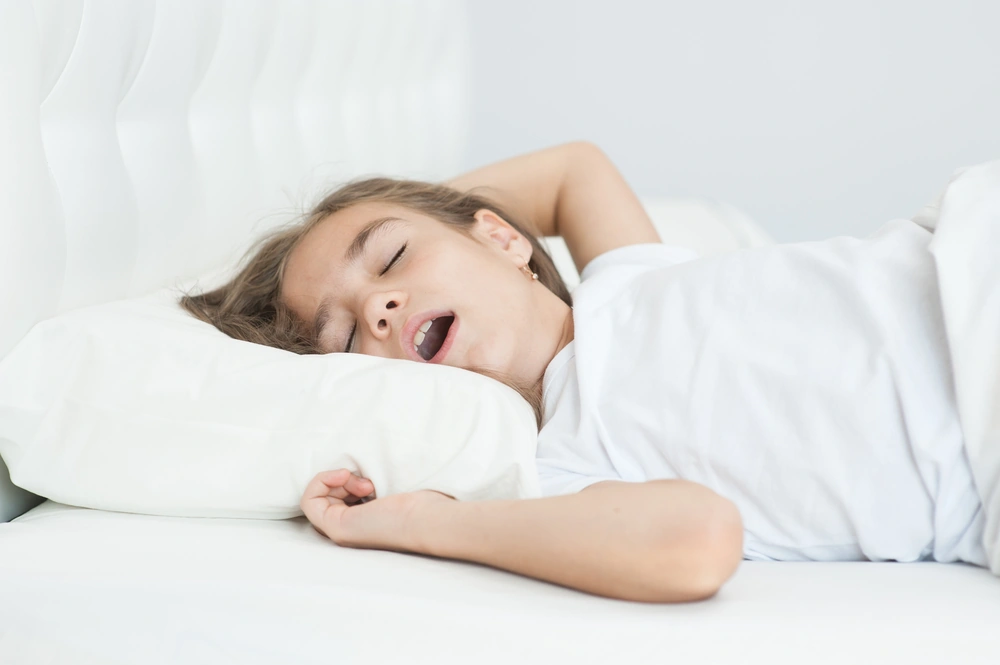
At-home sleep tests offer convenience for diagnosing pediatric sleep apnea but have limitations compared to lab studies. These tests may miss important details about your child’s breathing and sleep patterns. Understanding both benefits and drawbacks helps families make informed decisions.
Should you test your child for sleep apnea at home or in a lab? Dr. Scott Kennedy at Dynamic Family Dentistry in Clifton, TX understands this dilemma. After completing his dental degree at Roseman University and residency at Waco’s Family Health Clinic, he’s helped countless Texas families navigate sleep apnea screening decisions.
At-home sleep tests promise easier, cheaper diagnostic options. You skip the trip to a sleep lab and your child sleeps in their own bed. These benefits appeal to busy families, especially those in rural areas.
But convenience comes with trade-offs. Home tests don’t capture all the data that lab studies do. They might miss breathing problems or give unclear results.
Understanding Test Accuracy Limitations
At-home sleep tests use simpler equipment than lab studies. They track breathing and oxygen levels but miss brain activity patterns. This limited data collection creates gaps that matter for accurate diagnosis.
Lab studies measure brain waves during sleep. This shows exactly when your child reaches different sleep stages. Home tests can’t do this, which means they might miss breathing problems that only happen during specific sleep phases.
The absence of complete monitoring increases the risk of false negatives. Your child might have sleep apnea that the home test doesn’t detect.
What at-home tests measure:
- Blood oxygen levels
- Breathing rate and patterns
- Heart rate changes
- Snoring sounds
- Body position
What at-home tests miss:
- Brain wave patterns and sleep stages
- Leg movements
- Exact number of breathing interruptions
- Duration of each apnea episode
- Eye movements indicating REM sleep
Incomplete data makes it harder for doctors to assess severity. Mild, moderate, and severe sleep apnea require different treatments. Without complete information, treatment decisions become guesswork.
Safety Concerns Without Professional Monitoring
Sleep labs have trained technologists watching monitors all night. They spot problems immediately and can intervene if oxygen drops dangerously low. Home tests don’t include this safety net.
Parents become the overnight monitors during home testing. This responsibility can feel overwhelming, especially without medical training.
| Safety Feature | In-Lab Study | At-Home Test |
| Real-time monitoring | Trained technologist watches all night | Parents monitor if they wake up |
| Emergency response | Immediate professional intervention | Parents must recognize and respond |
| Equipment troubleshooting | Technologist fixes issues instantly | Parents handle problems alone |
| Medical supervision | Doctor available for consultation | No immediate medical support |
Severe sleep apnea can cause dangerous oxygen drops. If this happens during a home test, parents might not notice until morning. Lab technologists would catch this immediately.
Children with complex medical conditions face higher risks during home testing. Kids with heart problems, neurological conditions, or severe obesity need extra monitoring.
Setup and Usage Challenges
Home sleep test equipment requires precise setup. Sensors must attach in specific locations to capture accurate data. Parents without medical training struggle with technical requirements.
Young children don’t cooperate easily with medical equipment. They pull off sensors, refuse to wear uncomfortable devices, or wake up scared. These normal behaviors create incomplete data.
Common setup problems:
- Sensors placed in wrong positions
- Equipment not turned on properly
- Loose connections that disconnect overnight
- Child removes devices during sleep
- Batteries die before morning
User errors significantly affect test accuracy. Incorrectly positioned sensors give false readings. A chest belt worn too loose won’t accurately measure breathing effort.
Healthcare providers should offer thorough training before families attempt home testing.
Dr. Kennedy’s involvement with the American Dental Association and Texas Dental Association keeps him updated on best practices.
Weighing Convenience Against Completeness
Home tests remove barriers to diagnosis for families in remote areas. Rural Texas families might live hours from the nearest sleep lab.
Cost differences matter to families managing healthcare budgets. Home tests typically cost less than overnight lab studies.
Your child sleeps in their own bed during home testing. Familiar surroundings help kids sleep more naturally than in a strange lab environment.
But convenience shouldn’t override accuracy. A cheaper test that misses the diagnosis costs more in the long run through delayed treatment.
Inconclusive home test results require follow-up lab studies anyway. Families end up paying for both tests. Starting with the comprehensive option often saves time and money.
When Home Tests Make Sense
Some situations suit home testing better than others. Older children and teenagers tolerate equipment better than toddlers.
Mild suspected cases may not require full lab study detail. If symptoms suggest minor sleep apnea, home testing provides enough information.
Geographic isolation sometimes makes home testing the only practical option.
Good candidates for home testing:
- School-age children who can follow instructions
- Families in rural areas far from sleep labs
- Cases with mild symptoms
- Follow-up testing after treatment
- Children without complex medical conditions
Better candidates for lab testing:
- Young children who can’t tolerate equipment
- Severe symptoms suggesting dangerous apnea
- Complex medical histories
- Unclear home test results
- Cases where precise severity assessment is crucial
Dr. Kennedy evaluates each child’s unique situation during screenings at Dynamic Family Dentistry.
Interpreting Results
Home test results require professional interpretation. The data doesn’t come with clear answers about diagnosis or treatment.
Borderline results create the most confusion. Numbers that fall in gray areas leave families wondering what comes next. These ambiguous results often trigger recommendations for lab studies.
Persistent symptoms despite normal test results demand further investigation. If your child still snores loudly, stops breathing during sleep, or shows daytime sleepiness, something is wrong regardless of test numbers.
Clear positive results expedite treatment planning. When home tests show definite sleep apnea, doctors can begin discussing treatment options immediately.
Building Your Child’s Care Team
Sleep apnea diagnosis and treatment require multiple specialists working together. Your pediatrician coordinates overall care. Sleep specialists interpret test results. Dentists like Dr. Kennedy screen for oral factors contributing to breathing problems.
Dental screenings catch early warning signs. Narrow palates, enlarged tonsils, and tongue ties all show up during dental exams.
ENT specialists evaluate tonsils, adenoids, and nasal structures. Enlarged tissues blocking airways sometimes need surgical removal.
Orthodontists address jaw development issues. Palate expanders widen narrow airways.
Working with Dynamic Family Dentistry connects your family to a network of specialists.
Taking Preventive Action
Good sleep hygiene reduces sleep apnea risk. Consistent bedtimes regulate sleep patterns. Cool, dark bedrooms promote quality rest.
Maintaining healthy weight prevents breathing problems. Excess weight narrows airways and increases apnea risk.
Sleep hygiene practices:
- Set consistent bedtimes and wake times
- Keep bedrooms cool
- Remove screens from sleeping areas
- Establish calming bedtime routines
- Limit sugar and caffeine
- Encourage daily physical activity
Keeping detailed sleep diaries helps detect problems early. Track snoring, breathing pauses, restless sleep, and daytime symptoms.
Regular dental checkups offer screening opportunities. Dr. Kennedy examines oral structures that affect breathing during routine visits in Clifton.
Making Informed Testing Decisions
Understanding both benefits and limitations guides smart choices. Home tests work well for straightforward cases in cooperative older children. Complex situations, young children, and severe symptoms need lab studies from the start.
Talk openly with healthcare providers about your concerns. Ask about test accuracy, what results can and can’t tell you, and when lab studies become necessary.
Consider your child’s specific situation honestly. Can they tolerate equipment overnight? Do symptoms suggest mild or severe problems? How far do you live from specialized facilities?
Don’t let cost alone drive decisions about your child’s health. Incomplete diagnosis leads to delayed treatment and ongoing health problems.
Moving Forward
At-home sleep tests offer valuable convenience but come with real limitations. Understanding what they can and can’t do helps you protect your child. Dr. Kennedy’s experience guides Clifton families through these complex decisions.
Quality sleep affects every aspect of childhood development. Accurate diagnosis is the first step toward treatment that restores healthy breathing and rest.
Work closely with your healthcare team to choose the right diagnostic path. Dr. Kennedy evaluates oral health factors at Dynamic Family Dentistry and coordinates with other specialists as needed.
Don’t delay seeking help if you suspect your child has sleep apnea. Contact Dynamic Family Dentistry in Clifton, TX to schedule a screening. Dr. Kennedy’s training and dedication to comprehensive care provide the expert guidance your family needs.
Dr. Scott Kennedy and the team at Dynamic Family Dentistry are here to help you achieve the bright, confident smile you’ve always wanted. Book a consultation today to learn more about dental veneers in Clifton, TX, and take the first step toward a radiant smile!
Dynamic Family Dentistry
302 S. Avenue Q, Clifton, Texas Phone: (254) 675-3518
Frequently Asked Questions
Are at-home sleep tests reliable for kids?
At-home sleep tests provide useful initial screening but have significant limitations. They don’t measure brain activity or capture all breathing events that lab studies detect. Results can miss sleep apnea or underestimate severity. These tests work best for straightforward cases in older children. Complex situations require lab studies for accurate diagnosis and treatment planning.
What if my child’s at-home sleep test results are unclear?
Unclear results require follow-up with a sleep specialist immediately. They’ll review symptoms alongside test data to determine next steps. This often means scheduling a comprehensive lab study for complete evaluation. Don’t assume unclear results mean everything is fine. Persistent symptoms always deserve thorough investigation regardless of home test findings.
How can I maximize the accuracy of my child’s at-home sleep test?
Follow all equipment instructions precisely and ensure correct sensor placement. Seek training from healthcare providers before attempting the test at home. Keep a detailed sleep diary noting symptoms and behaviors. Choose a typical night when your child isn’t sick or overtired. Check that all equipment is working properly before your child falls asleep. These steps improve data quality and reliability.
The information on this page is provided to help you understand general dental care and the preventive services we offer. It’s not a substitute for professional diagnosis or individualized treatment. Every patient’s needs are different, and your dentist will evaluate your oral health before recommending any specific care or procedure. (For personalized guidance, please schedule an appointment with a licensed dental professional.)

