

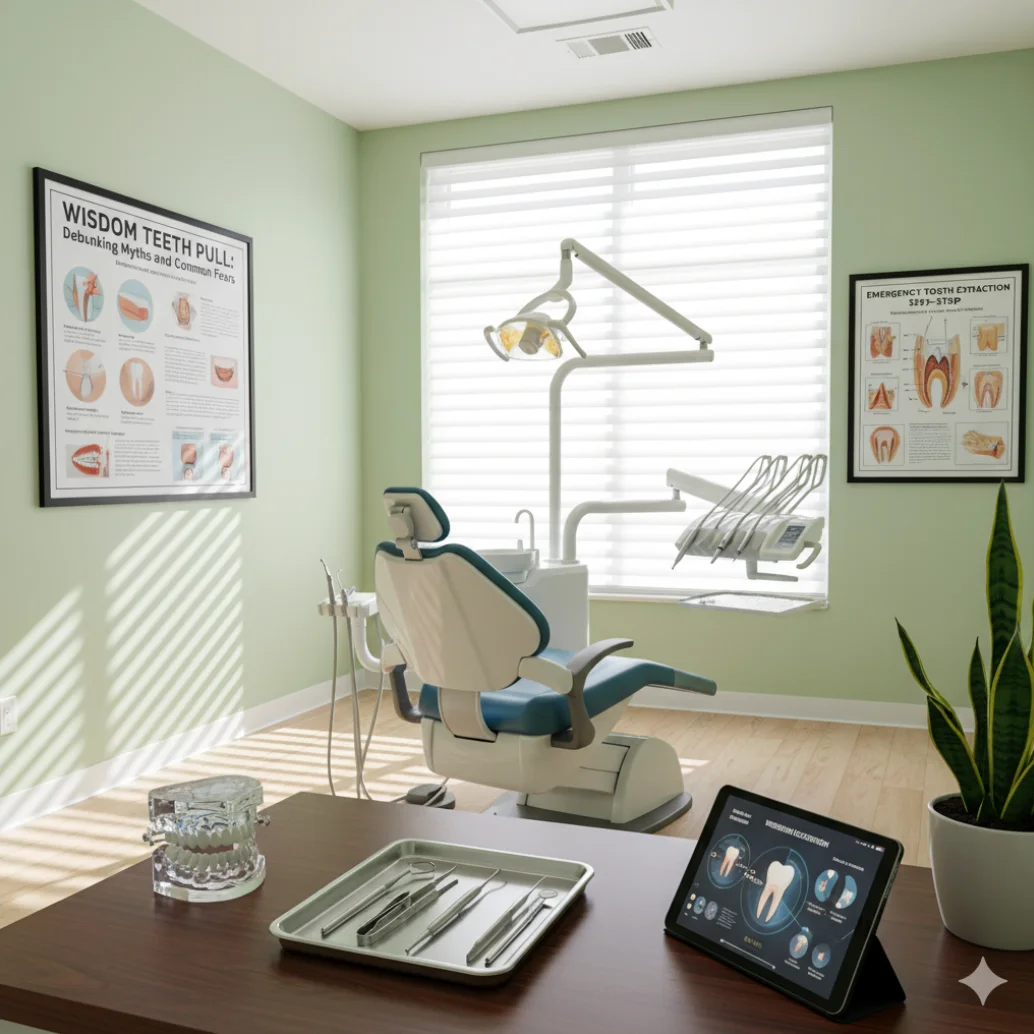
Wisdom teeth removal is one of the most common oral surgeries, yet it’s often surrounded by unnecessary worry and misinformation. This article separates fact from fiction about wisdom teeth extraction, explains what really happens during the procedure, and shares how patients can stay calm and comfortable. At Dynamic Family Dentistry in Clifton, Texas, Dr. Scott Kennedy helps patients understand their options and feel confident before, during, and after treatment.
Dr. Kennedy’s extensive background in oral surgery and gentle approach have made him a trusted dental provider throughout Clifton and nearby neighborhoods such as North Clifton, Bosque Addition, and Sunset Park. A graduate of Roseman University with residency training at Waco’s Family Health Clinic, he is an active member of the American Dental Association, Texas Dental Association, and Academy of General Dentistry. His ongoing education and dedication to patient comfort ensure every procedure is performed safely and compassionately.
Understanding Wisdom Teeth and Why They’re Removed
Wisdom teeth, also known as third molars, typically appear between ages 17 and 25. For some patients, these teeth erupt normally without causing any issues. However, when there isn’t enough space in the mouth, wisdom teeth can become impacted, trapped beneath the gums, or grow at an angle that affects neighboring teeth.
Removing problematic wisdom teeth prevents pain, swelling, and potential infection. It can also stop future crowding and make oral hygiene easier. Dr. Kennedy performs a detailed exam and uses X-rays to determine whether your wisdom teeth pose a risk and if extraction is necessary.
Comparison Table: Common Myths vs. Facts About Wisdom Teeth Removal
| Myth | Fact |
| Wisdom teeth removal is painful | With anesthesia and gentle techniques, most patients experience only mild pressure, not pain. |
| Everyone needs their wisdom teeth removed | Some people keep their wisdom teeth without problems; removal depends on individual mouth structure. |
| Recovery takes weeks | Most patients recover in 3–7 days with proper aftercare. |
| Swelling and bruising are unavoidable | Using ice packs and following instructions reduces swelling quickly. |
Debunking Common Myths About Wisdom Teeth Surgery
Misunderstandings about wisdom teeth removal can make patients more anxious than necessary. The truth is that modern dental care focuses on precision, comfort, and education, making the process far less intimidating than people expect.
Here are some of the most common myths patients hear , and the real facts behind them:
- Myth 1: Wisdom teeth removal is only for teenagers. While many people have theirs removed in their late teens, adults can also benefit from extraction if their wisdom teeth cause pain, infection, or misalignment.
- Myth 2: The recovery process is extremely painful. With today’s sedation and numbing options, patients typically feel only mild soreness after surgery, easily managed with prescribed or over-the-counter medication.
- Myth 3: You can’t eat solid food for weeks. Most patients return to soft foods like eggs, pasta, and soups within a few days and resume a normal diet soon after.
- Myth 4: Everyone must have their wisdom teeth removed. Some people never develop wisdom teeth, and others have enough room in their mouth to keep them. X-rays and exams determine if removal is needed.
Dr. Kennedy encourages patients to ask questions and learn the truth about their procedures. Understanding what’s happening makes it easier to approach treatment with confidence.

Addressing Common Fears About Wisdom Teeth Removal
Dental anxiety is normal, especially when surgery is involved. At Dynamic Family Dentistry, the focus is on helping patients feel relaxed through clear communication and gentle care.
Some common fears include the idea of pain, complications, or long recovery times. In reality, local anesthesia and sedation options make the experience comfortable, and post-surgical care instructions help speed healing.
To ease patient concerns, Dr. Kennedy recommends the following steps:
- Discuss your fears openly with your dentist so they can adjust your care plan.
- Follow all pre-surgery and post-surgery instructions carefully.
- Arrange for a friend or family member to drive you home and stay nearby during recovery.
- Focus on rest, hydration, and a soft diet for the first few days.
Patients from Oakwood, College Hill, and Bosque Addition often express how surprised they were by how simple and painless the process felt. Taking the time to communicate and plan ahead makes a big difference in comfort and recovery.
What to Expect During and After the Procedure
Wisdom teeth extraction is performed under local anesthesia, and sedation options are available for patients who prefer a more relaxed experience. During surgery, Dr. Kennedy makes small incisions if needed to access and remove impacted teeth safely. The procedure usually takes less than an hour, and patients can return home the same day.
Recovery typically lasts a few days. Keeping the area clean, applying ice packs, and eating soft foods all help minimize discomfort. Most swelling and tenderness resolve within a week.
Taking the Next Step Toward Confident, Stress-Free Care
A confident smile begins with understanding and trust. At Dynamic Family Dentistry, Dr. Scott Kennedy and his compassionate team help patients in Clifton and surrounding communities feel informed, comfortable, and cared for from start to finish. Whether you’re anxious about wisdom teeth removal or simply want accurate information, we’re here to guide you every step of the way.
If you’ve been putting off wisdom teeth extraction because of fear or uncertainty, schedule your consultation today. Learn the facts, explore your options, and take control of your oral health with a team dedicated to your safety and peace of mind.
Dynamic Family Dentistry
302 S. Avenue Q, Clifton, Texas Phone: (254) 675-3518
Frequently Asked Questions
Does everyone need their wisdom teeth removed?
Parents and teens often worry about the need for surgery and want to know if routine removal is truly necessary.
What people should be asking instead: How do dentists decide when wisdom teeth should come out or can safely stay?
- Not everyone requires wisdom teeth extraction, if the teeth have enough room, come in straight, and are healthy, they may be left alone and monitored with regular X-rays.
- Extraction is recommended if the wisdom teeth are impacted, cause crowding, pain, infections, damage other teeth, or are difficult to keep clean.
- Each decision is individualized; pediatric and general dentists make recommendations based on growth patterns, symptoms, and imaging.
4 Reasons Why Wisdom Teeth May Need to Be Removed (Nationwide Children’s Hospital, 2024)
Is wisdom teeth surgery painful?
Addressing pain and anxiety helps patients plan for a comfortable surgical experience.
What people should be asking instead: What can I expect to feel during and after wisdom teeth surgery?
- With local anesthesia and sedation, most patients feel no pain during the procedure, just mild pressure and gentle movements in the jaw.
- After surgery, soreness, swelling, and possible bruising are common but are typically well managed with medication, ice packs, and rest.
- Severe pain is uncommon and should be reported promptly to the dental provider.
Wisdom Teeth Removal: What to Expect (Mayo Clinic)
How long does it take to recover?
Teens and parents need to plan for school, activities, and special events after surgery.
What people should be asking instead: How do I make recovery fast and simple, and what should I expect after wisdom teeth removal?
- Recovery from a straightforward extraction takes about 3–7 days, though swelling, mild bruising, and tenderness can last up to 10 days, complex cases may take longer.
- Early healing is encouraged by following instructions on eating, cleaning, medication, and activity, with most patients returning to normal routines within a week.
- Signs of infection, severe pain, or prolonged swelling should be addressed right away with the dental office.
Wisdom Teeth Extraction in Children (Children’s Hospital of Philadelphia)

