

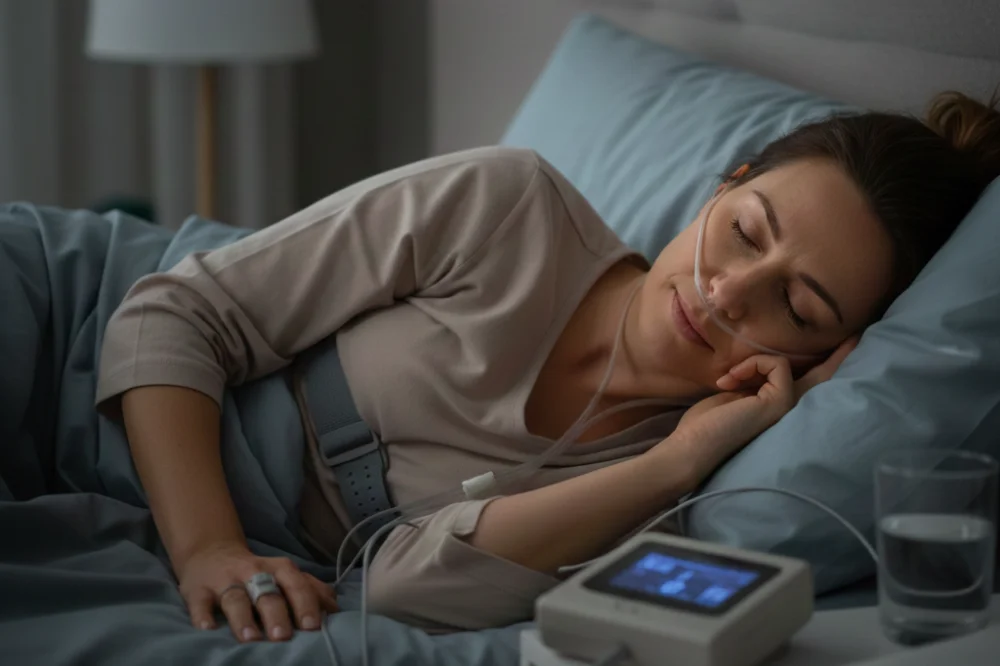
Many people are surprised that a dentist treat sleep apnea. Dentists trained in dental sleep medicine help manage obstructive sleep apnea using custom oral appliances that support breathing during sleep. For many people with mild to moderate sleep apnea, or those who struggle with CPAP, a dentist becomes an important part of the care team.
At Dynamic Family Dentistry in Clifton, Texas, Dr. Scott Kennedy helps patients understand how airway health and dental care connect. Dr. Kennedy studied at BYU and earned his dental degree from Roseman University. He completed a residency at Waco’s Family Health Clinic and stays active with the American Dental Association, Texas Dental Association, and the Academy of General Dentistry. His work focuses on prevention, airway awareness, and collaboration with sleep physicians who diagnose sleep apnea.
What Obstructive Sleep Apnea Means for Your Health
Sleep apnea happens when the airway collapses during sleep and breathing repeatedly stops. These pauses reduce oxygen and disrupt normal sleep cycles. Many people experience loud snoring, gasping at night, or constant daytime fatigue.
Patients in Clifton Downtown, Sunset Park, and Lakewood often say they felt tired for years before discovering the cause. Some notice headaches in the morning or trouble focusing during the day. Others simply feel worn out even after a full night of sleep.
Sleep apnea affects more than sleep quality. Untreated obstructive sleep apnea is linked to heart disease, stroke, high blood pressure, and diabetes. A sleep physician confirms the diagnosis through a sleep study before treatment begins.
What Dental Sleep Medicine Actually Means
Dental sleep medicine connects dentistry with sleep medicine. Dentists trained in this field look closely at how the jaw, tongue, and airway structures affect breathing during sleep. During regular dental visits, they often notice early signs that the airway may be restricted, such as narrow arches, grinding patterns on teeth, or a jaw position that allows the tongue to fall backward during sleep.
That does not mean a dentist diagnoses sleep apnea. A sleep physician still performs the sleep study and makes the medical diagnosis. When sleep apnea is confirmed, the dentist becomes part of the care team. The dentist designs and adjusts oral appliances that help support the airway, while continuing to monitor the teeth, bite, and jaw joints over time.
How Oral Appliances Help Treat Sleep Apnea
Oral appliances used for sleep apnea are custom dental devices that reposition the lower jaw slightly forward during sleep. That small shift creates more space behind the tongue and soft palate so the airway stays open. Dentists trained in dental sleep medicine design and adjust these appliances carefully so they improve airflow without causing jaw strain or bite problems.
- Move the lower jaw slightly forward so the airway behind the tongue stays open
- Increase the space behind the tongue and soft palate during sleep
- Reduce snoring by stabilizing the airway
- Support steady airflow so breathing pauses happen less often
- Provide a quiet and portable option for patients who struggle with CPAP
When the appliance is fitted and adjusted properly, many patients notice better airflow, less snoring, and more consistent sleep. Follow up visits allow the dentist to fine tune the jaw position and confirm that the appliance continues to support comfortable breathing through the night.
The Step by Step Path from Diagnosis to Dental Treatment
Sleep apnea treatment usually begins when symptoms appear during a dental or medical visit. A patient may mention loud snoring, constant fatigue, or morning headaches. The dentist or physician then recommends a sleep study so a sleep physician can confirm whether obstructive sleep apnea is present and determine its severity.
Once the diagnosis is confirmed, the dentist evaluates the patient’s teeth, bite, and jaw health to see if an oral appliance will work safely. Digital scans or impressions are used to create a custom device. Over several follow up visits the appliance is gradually adjusted so the jaw moves forward enough to improve airflow. A repeat sleep study may be recommended to confirm the appliance is controlling breathing interruptions.
Who Is a Good Candidate for Oral Appliance Therapy
Oral appliance therapy works best for certain patients. The decision depends on sleep study results, anatomy, and lifestyle factors. Dentists and sleep physicians look at the severity of obstructive sleep apnea, jaw position, tooth health, and whether the patient is willing to wear the appliance nightly. For many people with mild to moderate sleep apnea, or those who struggle with CPAP masks, an oral appliance can be a comfortable and effective option.
Common candidate factors include:
- Diagnosed mild to moderate obstructive sleep apnea
- Difficulty tolerating CPAP therapy
- Healthy teeth that support an appliance
- Manageable jaw joint health
- Willingness to wear the device nightly
A full evaluation protects long term results. Patients in areas like Bosque Addition, Riverside, and College Hill often bring their sleep study results to the consultation so the dentist and sleep physician can coordinate care. This step helps ensure the appliance will actually improve breathing rather than simply reduce snoring.
Oral Appliance Therapy Compared to CPAP
People often ask how oral appliances compare with CPAP therapy. Both treatments aim to prevent airway collapse during sleep, but they work in very different ways. CPAP uses steady air pressure delivered through a mask, while oral appliances reposition the jaw so the airway stays open naturally during sleep.
| Treatment | How It Works | Typical Candidates |
| CPAP | Air pressure keeps airway open | Moderate to severe OSA |
| Oral Appliance | Jaw moves slightly forward | Mild to moderate OSA |
| Comfort | Mask and airflow pressure | Small removable device |
| Travel | Larger equipment | Compact and portable |
CPAP remains the most common treatment for severe obstructive sleep apnea. Oral appliances often appeal to patients who struggle with masks or airflow pressure. Dentists and sleep physicians review sleep study results together to decide which approach will control breathing safely and comfortably.
Benefits and Long Term Monitoring of Oral Appliance Therapy
Oral appliance therapy offers several advantages. Many patients find it quieter, easier to travel with, and more comfortable than CPAP masks.
Like any medical device, oral appliances require ongoing monitoring. Some people experience jaw soreness, bite changes, or tooth movement over time. These changes are usually manageable with proper follow up.
Regular visits allow dentists to evaluate jaw comfort, bite alignment, and appliance fit. Sleep physicians may also repeat sleep studies to confirm treatment effectiveness.
Dental Sleep Medicine Options in Clifton TX
For many residents of Clifton, the path to better sleep starts with a conversation at the dental office. Dentists often see airway warning signs during routine exams and can recommend the next step if symptoms point toward sleep apnea. From there, patients are referred to sleep physicians who perform sleep studies and determine the correct diagnosis.
Once sleep apnea is confirmed, treatment can often continue close to home. Dentists in Clifton work with regional sleep centers in places like Meridian, Valley Mills, and the greater Waco area. This collaboration allows patients to receive specialized medical testing while still having convenient access to appliance adjustments and long term follow up locally.
A Clear Path Toward Better Sleep in Clifton
Sleep apnea often hides in plain sight. Many people assume snoring or fatigue is simply part of getting older. When breathing interruptions are addressed, sleep quality and daily energy often improve.
At Dynamic Family Dentistry in Clifton, Dr. Scott Kennedy helps patients understand their options and coordinate care with sleep physicians. If sleep apnea is affecting your health, the next step is simple. Schedule a consultation and begin a conversation about airway health and sleep apnea treatment.
Frequently Asked Questions
Can a dentist treat sleep apnea?
Many people assume only sleep doctors treat sleep apnea, so understanding the dentist’s role helps patients explore more treatment options. A better question is how dentists participate in sleep apnea care after diagnosis. Dentists do not diagnose sleep apnea. A sleep physician confirms the condition through a sleep study. Dentists trained in dental sleep medicine provide oral appliances and monitor jaw and dental health during therapy.
How do oral appliances actually work for sleep apnea?
Patients often wonder if oral appliances are simply mouthguards, so understanding the mechanism helps them trust the treatment. A more useful question is how jaw position affects airway space during sleep. Oral appliances gently move the lower jaw forward. This forward position increases space behind the tongue and soft palate. The additional space helps reduce airway collapse and improves airflow during sleep.
Is an oral appliance as effective as CPAP?
Patients comparing treatments want to understand both effectiveness and comfort before deciding. The better question is which sleep apnea treatment fits their diagnosis and lifestyle best. CPAP remains the most effective treatment for severe sleep apnea. Oral appliances work well for mild to moderate cases or CPAP intolerance. The correct treatment depends on sleep study results and medical guidance from the sleep physician.
Do oral appliances require follow up care?
Some patients assume the device works permanently once it is made, so it helps to understand the need for monitoring. The better question is how often oral appliance therapy should be checked by a dentist. Oral appliances require periodic dental follow up. Dentists check bite alignment, jaw comfort, and appliance fit over time. Sleep physicians may repeat sleep studies to confirm the appliance continues controlling breathing interruptions.

