

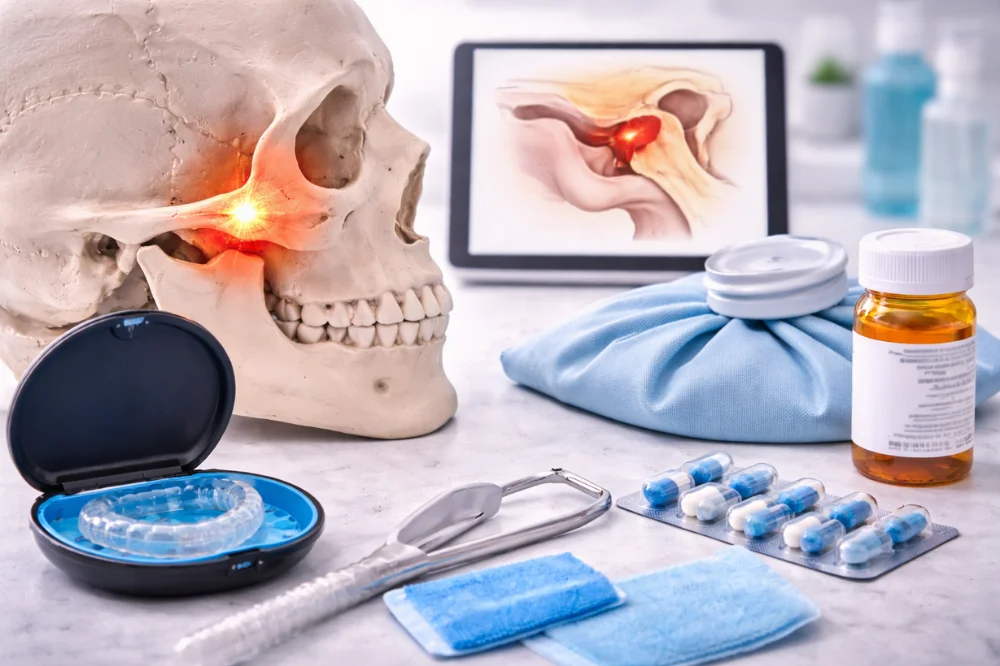
If your jaw clicks, locks, or aches every day, you have likely searched for answers more than once. The problem is that TMJ advice online is often conflicting, with some sources promising fast relief and others warning about long-term treatment or surgery. That mix of opinions can make it hard to know what actually applies to your situation.
TMJ is not a single condition with a single cure, and dentists who regularly evaluate jaw pain understand this distinction. Experienced providers know how to tell the difference between muscle-based TMJ, joint-related problems, and mixed patterns that require a more careful approach. The most effective care comes from pairing clinical experience with established treatment principles and an understanding of how TMJ symptoms change over time.
Why There Is No One Best TMJ Treatment
TMJ disorders can come from several different sources, which is where confusion often begins. Some people experience muscle-based pain from clenching or grinding, especially during sleep or stressful periods. Others have joint-related problems such as disc displacement, inflammation, or arthritis. Because these causes behave differently, they do not respond to the same treatments.
Even when symptoms look similar, the underlying problem can be very different. Jaw clicking without pain is not treated the same way as locking that comes with inflammation or limited movement. That is why copying someone else’s treatment plan rarely works well. Modern TMJ care follows a treatment ladder, starting with low-risk, reversible options and moving upward only if symptoms do not improve or clear structural damage is present.
First-Line TMJ Care That Helps Most People
For most people, TMJ treatment usually starts with conservative care rather than aggressive intervention. These approaches reduce strain on the jaw, calm irritated muscles and joints, and allow the body to recover naturally. They are also reversible and low risk, which makes them the safest place to begin.
Conservative TMJ care typically includes several foundational steps:
- Self-care adjustments, such as following a soft diet, avoiding gum, limiting wide yawns, and using heat or ice during flare-ups
- Short-term medication support, usually anti-inflammatory medication or muscle relaxants when appropriate and monitored
- Physical therapy and guided jaw exercises, focused on posture, controlled movement, and restoring muscle balance
These tend to work best when they are used consistently and with guidance. Relying only on pain medication while continuing jaw-straining habits is a common mistake. Many TMJ symptoms improve at this stage, which is why conservative care is almost always recommended before moving to more advanced treatment.
Oral Appliances and Bite-Related Therapy
Oral appliances are one of the most common dental treatments for TMJ, but they are often misunderstood. A properly designed appliance can reduce muscle overload and protect teeth from clenching damage. These appliances are most helpful for muscle-driven TMJ and nighttime grinding.
Conservative appliances are designed to be reversible and adjustable. They should not permanently change how the teeth fit together. When appliances are treated as tools instead of cures, they can be very effective.
Problems arise when appliances are poorly fitted or used without follow-up. Over-the-counter guards and unmonitored devices can shift the jaw into unhealthy positions. Permanent bite changes should not be done early in TMJ care unless there is a very specific reason.
Stress, Habits, and Chronic TMJ Pain
TMJ pain is not always just a mechanical jaw problem. Stress, anxiety, and poor sleep can increase clenching, grinding, and muscle tension, especially in people with recurring symptoms. When this happens, the jaw may stay strained even during rest, which makes pain harder to settle.
A constantly activated nervous system keeps jaw muscles tight and slows recovery between flare-ups. Over time, this raises pain sensitivity and prolongs symptoms. Addressing habits, relaxation, and sleep alongside physical therapy and self-care often leads to better results than mechanical treatments alone.
How Conservative Care Compares to Advanced TMJ Treatments
Before moving into advanced TMJ care, it helps to understand how the different treatment levels fit together. Many patients feel pressure to choose a more aggressive option without realizing that most TMJ problems improve with simpler care. Seeing how treatments are typically sequenced makes it easier to make confident, informed decisions. This context helps prevent jumping ahead too quickly.
| Treatment Type | What It Typically Helps | When It Is Usually Used |
| Self-care and physical therapy | Muscle tension, early pain, limited movement | First step for most patients |
| Oral appliances | Clenching, grinding, muscle overload | Early after proper evaluation |
| Behavioral and stress care | Chronic pain, flare-ups, clenching habits | Alongside other treatments |
| Injections or Botox | Select muscle or joint cases | After conservative care |
| Surgery | Structural joint damage | Rare, last step |
This comparison shows why there is no single best TMJ treatment for everyone. The idea is to match the level of care to the actual problem rather than the severity of frustration. Moving up the treatment ladder only when needed helps keep care effective, proportional, and safe.
Injections, Botox, and Minimally Invasive Options
When conservative care does not provide enough relief, minimally invasive options may be considered. These treatments are not first-line solutions, but they can help certain patients when used thoughtfully. They should always be part of a larger plan.
Common minimally invasive TMJ options include:
- Joint injections, which may help reduce inflammation in specific joint-based cases
- Corticosteroid injections, used cautiously due to potential effects on joint tissues
- Botox, which can reduce overactive jaw muscles in some muscle-driven TMJ cases
These treatments are best viewed as supportive tools rather than cures. Repeating injections without addressing habits, therapy, and jaw mechanics often leads to short-lived results. Coordinated care improves the chance of meaningful relief.
When TMJ Surgery Makes Sense
TMJ surgery is rarely the first or best option for jaw pain. It is reserved for cases with confirmed structural joint damage or mechanical problems that do not improve with conservative care. In most situations, surgery is considered only after non-surgical treatment has been carefully tried without success.
The decision to move forward with surgery requires imaging and evaluation by a specialist experienced in TMJ disorders. Recovery is longer than with conservative treatments and often includes temporary limits on jaw movement and diet. Because the risks are higher, surgery should only be chosen with clear medical justification.
Even when surgery is appropriate, it is usually one part of a longer care plan. Many patients still need physical therapy and ongoing jaw management afterward. Surgery pursued for pain alone, without clear joint pathology, often leads to poor outcomes.
Getting TMJ Help Near Clifton, TX
For most people in Clifton, TMJ care starts with a focused local evaluation instead of jumping straight into treatment. A dentist who routinely evaluates jaw pain can assess symptoms, rule out dental causes, and determine whether the issue is muscle-based, joint-based, or mixed. That step matters because TMJ symptoms often look alike even when the cause is not.
A typical Clifton-area TMJ plan includes education, self-care guidance, physical therapy, and a conservative oral appliance when appropriate. Referrals to physical therapists, pain specialists, or oral surgeons are usually made only if symptoms continue or imaging shows more complex problems. This staged approach keeps care practical, safe, and aligned with what the jaw actually needs.
Frequently Asked Questions
What is usually the best first treatment for TMJ?
For most people, the best first treatment is conservative care that includes self-care changes, physical therapy, and sometimes a conservative oral appliance. These options are low risk, reversible, and effective for many common TMJ patterns. Starting here also helps avoid unnecessary procedures.
How long does TMJ treatment usually take?
Many patients notice improvement within several weeks, but full progress often takes a few months. TMJ treatment works best when it is consistent and adjusted over time rather than rushed. Improvement is usually gradual rather than immediate.
Do night guards really help TMJ pain?
Night guards can help when TMJ pain is related to clenching or grinding, especially during sleep. They are most effective when custom made, properly adjusted, and monitored over time. They work best as part of a broader treatment plan.
Is Botox a cure for TMJ?
Botox is not a cure for TMJ. It can help reduce muscle-driven pain in some patients, but results vary. It works best as an add-on after conservative treatments have been tried.
When should someone consider TMJ surgery?
TMJ surgery is considered only when there is clear structural joint damage or severe dysfunction that does not improve with non-surgical care. It should always involve specialist evaluation and careful discussion of risks and benefits. Surgery is the last step, not the first.

