

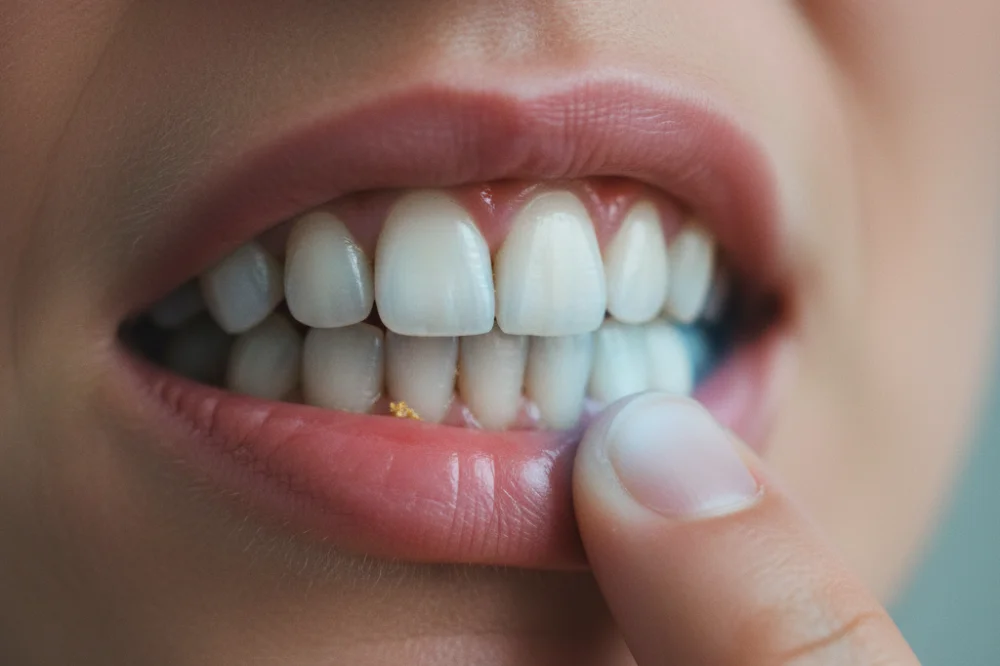
If your gums bleed when you brush, your breath won’t stay fresh, or your teeth feel sensitive or loose, you could be seeing the early signs of gum disease. The earlier you notice these symptoms, the easier it is to treat them, and often without surgery or major procedures. Dr. Scott Kennedy at Dynamic Family Dentistry in Clifton, TX works with patients from neighborhoods like Sunset Park, Bosque Addition, and Valley Mills to catch gum disease early and stop it in its tracks.
Dr. Kennedy brings hands-on experience, advanced education from Roseman University, and real-time care strategies from his residency at Waco’s Family Health Clinic. He’s also a trusted part of the community and an active member of the ADA, AGD, and TDA. He focuses on helping patients feel comfortable and confident about their dental health without pressure or complicated jargon.
Bleeding Gums and Gum Sensitivity
Gums that bleed when you brush or floss may seem minor, but they’re often the first clue that inflammation is present. This irritation typically means that plaque is building up along the gumline, triggering your immune system to respond. You might also notice tenderness or swelling, especially in hard-to-reach areas.
Patients in neighborhoods like South Clifton and College Hill often mention that their gums “just don’t feel right.” That nagging sensation is your body’s way of signaling trouble. These early signs can indicate gingivitis, the earliest stage of gum disease. Without treatment, gingivitis can evolve into periodontitis, which can cause more serious complications such as gum recession, bone loss, and even tooth loss.
Persistent Bad Breath or a Metallic Taste
Bad breath that doesn’t go away after brushing isn’t just an annoyance, it may point to a deeper issue. Gum disease causes bacteria to accumulate beneath the gumline, where it’s tough to reach with normal brushing. This bacterial buildup releases odors and toxins that contribute to halitosis.
Some patients also report a persistent metallic taste in their mouth. This can result from minor bleeding or from the bacteria itself. The presence of this taste often accompanies other symptoms like soreness or bleeding during brushing. If you live near Riverside or Norse and notice these signs, it’s time to have your gums checked by a professional.
Receding Gums and Tooth Sensitivity
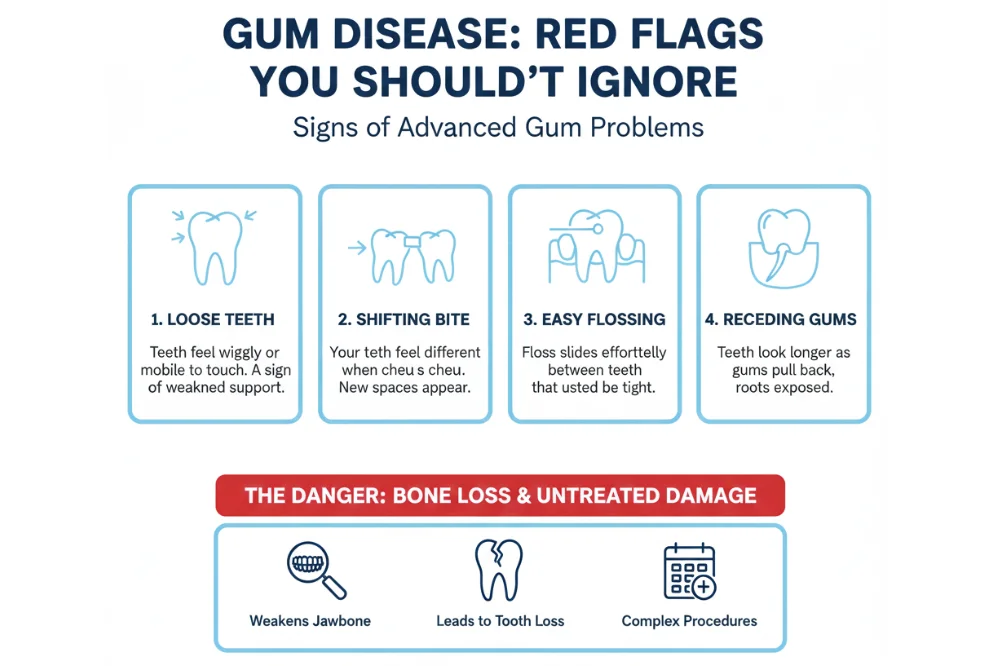
If your teeth look longer than they used to, it’s not your imagination. Gum recession pulls the gumline back, exposing more of the tooth and sometimes even the root. This not only changes the appearance of your smile but can also make your teeth more sensitive to temperature changes and pressure.
Tooth sensitivity is another red flag that should not be ignored. If sipping hot coffee or eating ice cream sends a sharp jolt through your teeth, you may be experiencing enamel erosion or exposed roots due to gum disease. These symptoms can appear gradually, which is why regular checkups in areas like White Addition and Laguna Park are so important. The earlier recession is caught, the easier it is to stop further damage.
Loose Teeth or Shifting Bite
Your teeth should not feel like they move when you touch them. If they do, or if your bite suddenly feels different when chewing or speaking, gum disease may be weakening the tissue and bone that hold your teeth in place. This can lead to spaces between teeth or difficulty chewing certain foods that once felt normal.
In Clifton neighborhoods like Pecan Grove and Country Club Estates, patients who experience shifting teeth often come in after noticing their floss slides in more easily between teeth. That change in tightness or movement can be a subtle but telling sign. Left untreated, gum disease can cause irreversible bone loss around the teeth, leading to the need for more advanced procedures.
What You Can Do About It
The earlier you address gum disease, the easier it is to reverse or manage. Many patients are surprised to learn that the first step is often a simple dental cleaning paired with better home care habits. Catching gum disease early gives you a chance to avoid more serious treatments later.
Here’s what you should look out for and bring up at your next dental exam:
- Gums that bleed easily when brushing or flossing, especially in the back molars
- Chronic bad breath or a strange taste that doesn’t go away
- Receding gums or teeth that seem longer than before
- Sensitivity to hot or cold foods and drinks
- Loose teeth or sudden changes in your bite
If you live in areas like East Clifton or near Cranfills Gap, noticing even one of these symptoms is a reason to contact Dr. Kennedy. Preventive care and early diagnosis are the keys to protecting your teeth and gums. Acting quickly could mean the difference between a routine cleaning and needing gum surgery.
Comparing Gum Disease to Other Dental Issues
It can be tricky to tell the difference between gum disease and other common dental problems, especially in the early stages. That’s why understanding how your symptoms line up with each condition can help you communicate better with your dentist.
| Symptom | Gum Disease | Tooth Decay | Grinding (Bruxism) |
| Bleeding Gums | Common | Rare | Rare |
| Bad Breath | Frequent | Occasional | Rare |
| Gum Recession | Yes | No | Possible |
| Tooth Sensitivity | Yes | Yes | Yes |
| Loose Teeth | Possible | No | Possible if severe |
| Pain When Chewing | Possible | Yes | Yes |
Understanding these differences can help you bring up the right concerns at your next dental visit. Each condition may need a different type of care, and gum disease can often sneak in without pain. This chart is meant to guide you, but it’s no substitute for an expert exam.
Habits That Help Prevent Gum Disease
While it’s true that genetics can play a role, most cases of gum disease come down to daily habits. Fortunately, even small changes to your routine can significantly improve your oral health over time. It’s not about being perfect, but about being consistent.
Start by brushing twice a day with a soft-bristled toothbrush. Use gentle circular motions and focus along the gumline to remove plaque where it tends to hide. Flossing at least once a day helps clean the spaces between your teeth where brushes can’t reach. If you’re unsure about your technique, we’re happy to demonstrate the proper methods during your visit.
Here are some key prevention tips that work well for our patients in areas like North Clifton and Meridian:
- Use fluoride toothpaste and an antimicrobial mouthwash
- Don’t skip your regular dental cleanings and exams
- Quit smoking, as it greatly increases your risk for gum disease
- Manage health conditions like diabetes that affect your immune response
- Eat a balanced diet with plenty of vitamin C and calcium
These daily actions may seem simple, but they work. Dr. Kennedy often reminds patients that gums don’t heal overnight, but steady effort makes a big difference. By keeping your teeth and gums healthy, you’re also protecting your heart and overall wellness.
Taking the Next Step Toward Healthier Gums
When it comes to gum disease, waiting is rarely the right move. These early signs are your body’s way of asking for help, and with timely care, most patients can get back to healthy gums without invasive treatment. The earlier you act, the more options you have for a simpler, more affordable path to recovery.
At Dynamic Family Dentistry, Dr. Scott Kennedy takes a personalized approach for every patient. He combines advanced dental training with years of hands-on experience to create treatment plans that actually work. Whether you’re in Clifton Downtown or Lakewood, you’ll always feel listened to, never rushed. His calm, knowledgeable care makes even nervous patients feel at ease.
If you’re noticing bleeding, bad breath, or other signs of gum disease, don’t put it off. Call Dynamic Family Dentistry today at (254) 675-3518 or visit Dynamic Family Dentistry to schedule your visit.
Dynamic Family Dentistry
302 S. Avenue Q, Clifton, Texas Phone: (254) 675-3518
Frequently Asked Questions
What are the earliest signs of gum disease?
Early gum disease is often painless, so subtle signs are easy to ignore until damage has progressed.
What they should ask instead: What early changes in my gums should prompt a call to the dentist?
- Immediate Insight: Early gum disease (gingivitis) often shows up as gums that bleed when you brush or floss, mild tenderness along the gumline, and gums that look red, puffy, or slightly swollen rather than firm and pink.
- Supporting Context: Mayo‑ and ADA‑aligned resources explain that these signs reflect inflammation from plaque buildup; at this stage, the bone is usually not yet damaged, and gingivitis is often reversible with professional cleanings plus improved brushing and flossing.
- Deeper Implication: Because early gum disease is usually not painful, taking bleeding or puffiness seriously, and seeing your dentist promptly, can prevent progression to periodontitis, where damage becomes harder to reverse.
Is gum disease permanent once it starts?
People worry that a “gum disease” label means inevitable tooth loss.
What they should ask instead: Which stages of gum disease are reversible, and what can treatment still accomplish if damage has already occurred?
- Immediate Insight: The earliest stage, gingivitis, is usually reversible with professional cleanings and consistent daily brushing and flossing. Once gum disease progresses to periodontitis, some damage to bone and supporting tissues can be permanent, but treatment can halt or slow further progression.
- Supporting Context: Public‑health and clinical sources note that scaling and root planing, improved home care, and sometimes surgical therapy can reduce pocket depths, control infection, and stabilize teeth even when bone loss has begun.
- Deeper Implication: Gum disease is best thought of like a chronic condition: early stages can be reversed; later stages can often be controlled. The sooner you intervene, the better your chances of keeping your natural teeth long‑term.
Why does my breath still smell bad even after brushing?
Persistent bad breath is embarrassing and often signals a deeper problem than food odors.
What they should ask instead: When is bad breath a sign of gum disease rather than just something I ate?
- Immediate Insight: If your breath still smells bad despite regular brushing, flossing, and tongue cleaning, bacteria and toxins trapped below the gumline are a common culprit, and that’s a hallmark of gum disease.
- Supporting Context: WebMD‑ and NIDCR‑aligned sources list persistent bad breath (halitosis) as a frequent sign of periodontal infection, where bacterial biofilm in pockets around the teeth produces sulfur compounds that brushing alone cannot reach.
- Deeper Implication: Mouthwash and mints may temporarily mask odor, but they do not remove subgingival plaque and calculus. A professional exam and cleaning are essential to address the underlying cause and protect both your gums and social confidence.
Can I treat gum disease at home?
People often hope that “brushing better” will fix everything and delay seeing a dentist.
What they should ask instead: What can home care fix, and when is professional treatment non‑negotiable?
- Immediate Insight: Good home care is essential but usually not enough by itself once gum disease is present. Plaque that has hardened into tartar (calculus) under the gums cannot be removed with a toothbrush or floss and requires professional cleaning.
- Supporting Context: ADA‑ and Colgate‑aligned resources emphasize that early gingivitis can improve after a professional cleaning plus daily brushing and flossing; more advanced disease needs deeper procedures (scaling and root planing, and sometimes surgery), followed by consistent home care to maintain results.
- Deeper Implication: Think of home care as your daily maintenance and the dental team as your “reset” and monitoring system, both are needed. Delaying professional treatment allows infection and bone loss to progress, making future treatment more complex and costly.

