

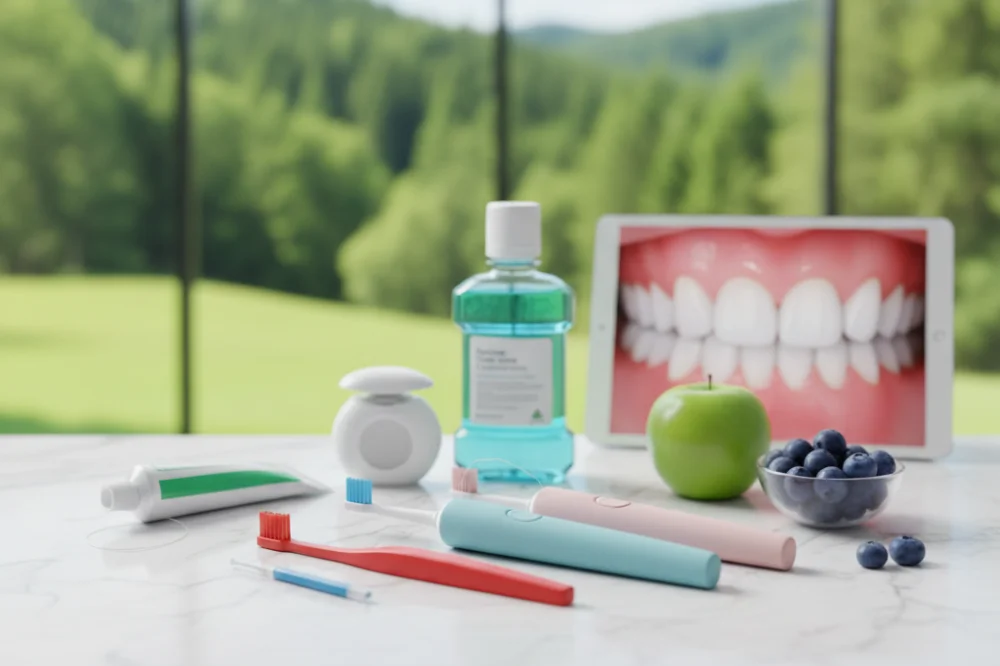
Want to avoid gum disease before it becomes a problem? You’re in the right place. Brushing, flossing, regular cleanings, and small lifestyle changes can all protect your smile for the long haul. In this guide, Dr. Scott Kennedy and the team at Dynamic Family Dentistry in Clifton, TX share clear, trusted tips that help patients across neighborhoods like Valley Mills, Oakwood, and North Clifton prevent gum disease and maintain lasting oral health.
Dr. Kennedy brings a wealth of clinical experience and patient-first care to every visit. A graduate of Roseman University and former Waco Family Health Clinic resident, he combines academic knowledge with real-world care. He’s an active member of the American Dental Association (ADA), Academy of General Dentistry (AGD), and Texas Dental Association (TDA), and he’s known for making dental care feel simple and supportive. His approach reflects years of hands-on expertise, credibility, and a deep commitment to patient trust.
Why Gum Disease Starts in the First Place
Gum disease begins when sticky plaque builds up on your teeth and isn’t fully removed. This film of bacteria thrives on sugars and starches from everyday foods, especially if your brushing and flossing habits aren’t consistent. Over time, this buildup starts to irritate the gums, leading to swelling, tenderness, and eventually deeper inflammation.
If left untreated, this early-stage irritation can turn into gingivitis or even more advanced gum disease called periodontitis. These conditions don’t just affect the gums, they can lead to bone loss, receding tissue, and even tooth loss. The great news is that gum disease is highly preventable with the right steps and a little consistency.
The Habits That Help Most
If you want to avoid gum disease, the best defense is daily care. You don’t need complicated products or expensive tools to keep your gums healthy. What matters most is consistency and doing the basics well.
Here’s what Dr. Kennedy recommends to keep your gums strong:
- Brush twice a day, especially along the gumline to clear out bacteria.
- Floss once daily to reach the tight spaces where your brush can’t go.
- Use fluoride toothpaste and choose a soft-bristled toothbrush to avoid damaging your gums.
- Rinse with an antimicrobial mouthwash to reduce harmful bacteria, if your dentist recommends it.
- Limit sugary snacks and acidic drinks that fuel plaque.
Patients from East Clifton to College Hill often share how these simple steps made a difference. When followed consistently, these habits help reduce inflammation, stop bleeding gums, and even reverse early-stage gum disease. If something in your routine isn’t working, don’t hesitate to ask, we’ll find an approach that fits your life.
Don’t Skip Dental Checkups
It’s easy to postpone a cleaning when life gets hectic, but skipping your checkups can allow small problems to grow. When plaque hardens into tartar, only professional tools can remove it. This hardened layer leads to gum irritation and is one of the first steps toward serious gum disease.
At Dynamic Family Dentistry, we help patients in neighborhoods like Norse, Lakewood, and Pecan Grove identify early warning signs. Your checkup isn’t just about a polish and shine. It’s a chance to assess the health of your gums, talk about changes in your mouth, and prevent small issues from becoming costly problems.
How to Know If Your Gums Need Help
Many people don’t realize something is wrong until their gums show visible symptoms. You may think everything is fine because there’s no pain, but gum disease can be sneaky. Paying attention to early signs is one of the best things you can do for your oral health.
Here are signs that your gums may need extra attention:
- Red, swollen, or puffy gums that feel tender
- Gums that bleed easily when brushing or flossing
- Persistent bad breath or a sour taste in the mouth
- Teeth that appear longer due to gum recession
- Loose teeth or new spacing between them
Patients in Oakwood and North Clifton often tell us they weren’t sure whether to be concerned until we explained what these signs meant. Even minor symptoms can point to underlying inflammation. Early action makes a big difference and can often stop the disease from progressing.

How Prevention Compares to Treatment
Preventing gum disease is not only easier, but it’s also far less expensive than managing it after it starts. Many patients are surprised to learn just how much time and effort goes into treating advanced gum disease. Prevention gives you more control and fewer headaches.
Here’s a simple comparison:
| Category | Prevention | Gum Disease Treatment |
| Cost | Low (toothbrush, floss, checkups) | Moderate to high (deep cleanings, meds, surgery) |
| Time Involved | 5–10 minutes a day + 2 cleanings/year | Multiple visits, longer recovery time |
| Discomfort | Minimal | Can include soreness, bleeding, sensitivity |
| Control | Full control through habits | Less control, reactive care |
| Outcome | Long-term stability and health | May stop progression, but damage can remain |
This chart shows that prevention is an investment that pays off. Patients in Spring Creek and Country Club Estates often avoid complex procedures simply by staying consistent with cleanings and home care. A little effort today means fewer problems tomorrow.
Prevention for the Whole Family
Preventive care isn’t just for adults. Kids and teens in College Hill, Country Club Estates, and neighboring communities benefit from learning healthy habits early. Teaching your child how to brush correctly and build a daily routine creates a foundation that lasts.
Dr. Kennedy tailors prevention tips based on age, lifestyle, and medical history. Whether someone in your household has braces, diabetes, or past dental issues, we’ll help your family stay on track. Gum health is a family commitment, and we’re here to support each stage of life.
Taking the First Step Toward Healthier Gums
Preventing gum disease doesn’t mean overhauling your lifestyle. It means adding small steps, supported by a dental team who knows you and your goals. At Dynamic Family Dentistry, Dr. Scott Kennedy focuses on practical, patient-centered prevention that makes sense for your daily life.
With his education from Roseman University, residency in Waco, and ongoing engagement with the ADA, AGD, and TDA, Dr. Kennedy offers trusted, experienced care. More importantly, he takes time to explain things clearly, answer your questions, and guide you toward lasting oral health.
If you’re ready to make gum health a priority, now is the time to act. Call (254) 675-3518 or visit Dynamic Family Dentistry to schedule your next visit.
Dynamic Family Dentistry
302 S. Avenue Q, Clifton, Texas Phone: (254) 675-3518
Frequently Asked Questions
How often should I floss to prevent gum disease?
People brush regularly but often skip flossing, not realizing how strongly it’s tied to gum health.
What they should ask instead: How often do I really need to clean between my teeth to keep my gums healthy?
- Immediate Insight: Flossing (or using another interdental cleaner) once a day is the standard recommendation for helping prevent gum disease. This removes plaque and food from tight spaces your toothbrush can’t reach before it hardens into tartar. The American Dental Association and public‑health agencies both emphasize daily between‑teeth cleaning as part of basic prevention.
- Supporting Context: Plaque can start to harden within about 24–72 hours, so a consistent once‑daily routine is more important than flossing multiple times in one day and then skipping several days.
- Deeper Implication: Brushing twice a day plus daily flossing and regular professional cleanings work together; cutting corners on interdental cleaning makes it much more likely for gingivitis and periodontitis to develop between teeth.
Can kids get gum disease too?
Parents tend to think gum disease is an “adult problem,” so early signs in kids can be missed.
What they should ask instead: How early can gum inflammation start, and what should I do for my child?
- Immediate Insight: Yes, children and teens can develop gingivitis, especially if brushing and flossing are inconsistent or if they have orthodontic appliances that trap plaque. Red, puffy, or bleeding gums in kids are warning signs, not “normal.”
- Supporting Context: Pediatric and preventive resources note that regular cleanings, fluoride, sealants where appropriate, and age‑appropriate brushing and flossing instruction are key to keeping kids’ gums healthy.
- Deeper Implication: Building good habits early and scheduling routine checkups reduces the risk that childhood gingivitis will evolve into more serious gum problems in adulthood.
Does diet really affect gum health?
People usually connect sugar with cavities but not with gum disease and inflammation.
What they should ask instead: How do everyday food and drink choices influence my risk for gum disease?
- Immediate Insight: Yes, diet plays a real role. Sugary and refined‑carbohydrate foods feed the bacteria that form plaque and trigger gum inflammation, while frequent acidic drinks can irritate tissues and weaken teeth.
- Supporting Context: Oral‑health research groups explain that a balanced diet rich in fruits, vegetables, lean proteins, and whole grains supports your immune system and helps your gums respond better to bacterial challenges.
- Deeper Implication: Reducing sugary snacks and sipping water instead of sweet or acidic drinks between meals can significantly lower the bacterial load at the gumline and make your daily brushing and flossing more effective.
What kind of toothbrush is best for preventing gum problems?
Using the wrong brush or technique can actually injure gums instead of protecting them.
What they should ask instead: What toothbrush type and design protect my gums while still removing plaque effectively?
- Immediate Insight: A soft‑bristled toothbrush is recommended for most people. It’s effective at removing plaque while being gentle on gum tissue and root surfaces.
- Supporting Context: Dental and medical sources note that medium or hard bristles, especially with aggressive brushing, can cause gum recession and enamel wear. Electric brushes (with soft heads) can be very helpful for people with limited dexterity or who struggle with technique.
Deeper Implication: The “best” brush is one you’ll use twice a day with the right technique: soft bristles, small head, gentle pressure, and two minutes of coverage, plus daily flossing, to prevent gum problems long‑term.

